
Aluminum siding is easy to underestimate because many homeowners still picture the thin, faded panels common on older homes. Modern aluminum is a much better exterior material than that reputation suggests. It does not rust, it handles moisture well, it is non-combustible, and good finishes give homeowners far more control over color and appearance than older products did.
Its weakness is physical impact. Aluminum can last for decades, but it dents more easily than heavier siding materials. That tradeoff—not age—is usually the deciding factor.
For homeowners comparing exterior options, aluminum deserves a serious look when low maintenance, corrosion resistance, fire resistance, and long service life matter more than maximum impact resistance.
What Is Aluminum Siding?
Aluminum siding is exterior cladding manufactured from rolled aluminum coils and formed into panels or other residential profiles. The material became especially common on American homes during the middle of the twentieth century because it offered an alternative to wood that did not require constant scraping, painting, and protection from rot.
Modern aluminum siding panels can be produced in smooth, textured, horizontal, or vertical forms. Manufacturers can also create coordinating soffit, trims, trim coils, corners, and other exterior components so the cladding reads as one finished system instead of a collection of unrelated pieces.
Aluminum is naturally resistant to corrosion because its surface forms a thin oxide layer when exposed to air. Unlike steel, it does not develop conventional red rust when that surface is exposed. That is a major reason aluminum excels in applications where moisture is a persistent concern.
This does not mean aluminum siding is waterproof by itself. The siding sheds water, but flashing, housewrap, openings, trims, and the installation behind the material still provide the wall’s real moisture protection.
Benefits of Aluminum Siding
Aluminum has several practical advantages that remain hard to duplicate in one material.
It does not rot, termites and other wood-boring pests cannot eat it, and moisture will not cause the material itself to swell the way some wood products can. Mold and mildew may grow on dirt or organic debris sitting on the surface, but aluminum itself does not provide a food source.
Its corrosion resistance is another major benefit. The Aluminum Association describes aluminum used in construction as lightweight, durable, corrosion resistant, and recyclable. Those properties explain why aluminum cladding continues to be used on buildings even as newer siding products have entered the market.
Aluminum is also non-combustible. It does not ignite like wood and will not melt at the comparatively low temperatures associated with vinyl siding. For homeowners researching siding in high-risk fire areas, that fire resistance is worth considering as part of the complete wall assembly.
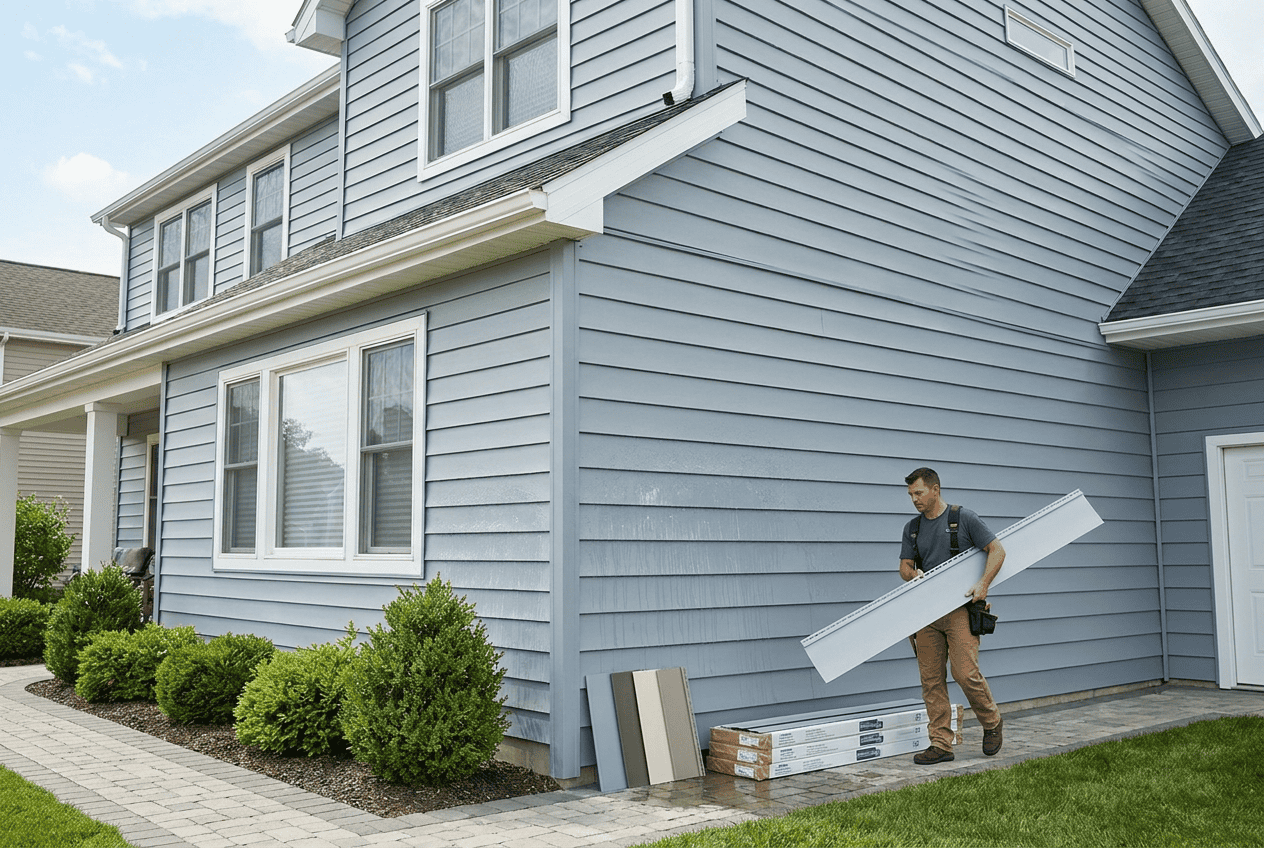
The material’s lighter weight helps with handling and installation, too. Aluminum is substantially lighter than steel, so crews can move and install long panels without the same weight demands associated with heavier metal cladding. That can contribute to relatively easy installation, although “easy” should never be confused with forgiving. Improper fastening can still create waves, buckling, and water problems.
A few of the strongest benefits are straightforward:
- Low maintenance: Aluminum needs cleaning and periodic inspection, not routine protection from rot or pests.
- Corrosion resistance: It performs particularly well around moisture because aluminum does not rust like exposed steel.
- Fire resistance: The material itself is non-combustible.
- Design flexibility: Painted and textured finishes are available in a wide range of colors and styles.
- Recyclability: Aluminum can be recycled repeatedly without losing its basic material properties.
Those advantages explain why aluminum remains relevant even though vinyl and composite products now command more attention in the residential siding market.
Aluminum Siding Durability and Maintenance
Good aluminum siding can remain functional for roughly 20 to 40 years or longer depending on product quality, exposure, finish, maintenance, and installation. Claims that every aluminum exterior will last the same number of years should be treated cautiously.
The material itself is extremely durable against moisture. Heavy rain, snow, ice, and temperature fluctuations do not cause aluminum to rot. Strong winds are also not normally a problem when the panels are properly installed and rated for the conditions.
Paint and finish condition usually determine how old aluminum siding looks before the metal actually fails.
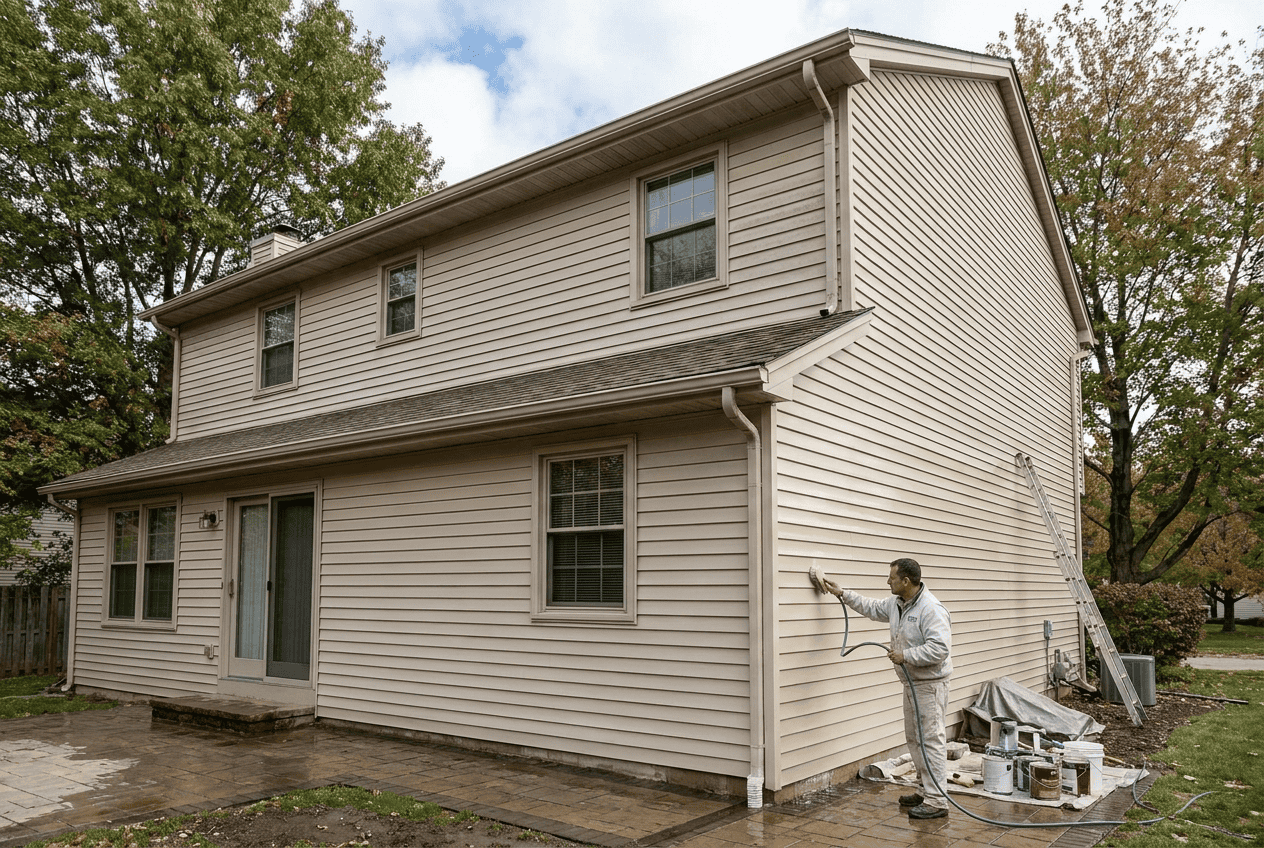
Factory-painted aluminum can resist fading for years, but ultraviolet exposure eventually affects most exterior finishes. Older siding may become chalky or faded. One advantage over some alternatives is that aluminum can be repainted rather than automatically replaced when the finish loses its appearance.
Repainting every five to ten years is sometimes quoted as a standard requirement, but that is too simplistic. A quality baked-on finish may stay attractive much longer, while an older or lower-quality painted surface may need attention sooner. The home’s sun exposure and color also affect how quickly fading becomes obvious.
Annual cleaning is sensible. Usually, that means removing grime, pollen, mildew, and other surface buildup before it becomes difficult to clean. Homeowners should also check for scratches that expose raw metal, loose panels, damaged trims, and impact dents.
Aluminum’s maintenance demands are still lower than traditional wood siding. You are not fighting rot, carpenter ants, splitting boards, or repeated sealing of exposed wood fibers.
The Biggest Drawback: Aluminum Dents
A basketball, hailstone, ladder, tree branch, or piece of storm debris can leave a visible dent in aluminum siding.
That is the drawback homeowners should take seriously.
The metal remains solid and weather resistant after many minor dents, so the issue is often appearance rather than immediate failure. But a series of dents across the front of a home can hurt curb appeal long before the siding reaches the end of its useful life.
Thicker, higher-quality aluminum generally resists damage better than very thin panels, but no residential aluminum cladding is immune to impact.
Scratches are another consideration. Deep scratches can damage the painted finish and become visually obvious, especially on darker colors. Aluminum will not rust underneath the scratch, but exposed silver metal may stand out against a painted surface.
This is why aluminum is not always the ideal siding for a property where impact damage is routine. Homes with narrow side yards, frequent hail, large overhanging trees, or areas where equipment regularly moves close to the walls deserve a harder look at the tradeoff.
If physical abuse is the main concern, heavier metal siding such as steel may provide better impact performance.
Aluminum Siding vs. Vinyl Siding
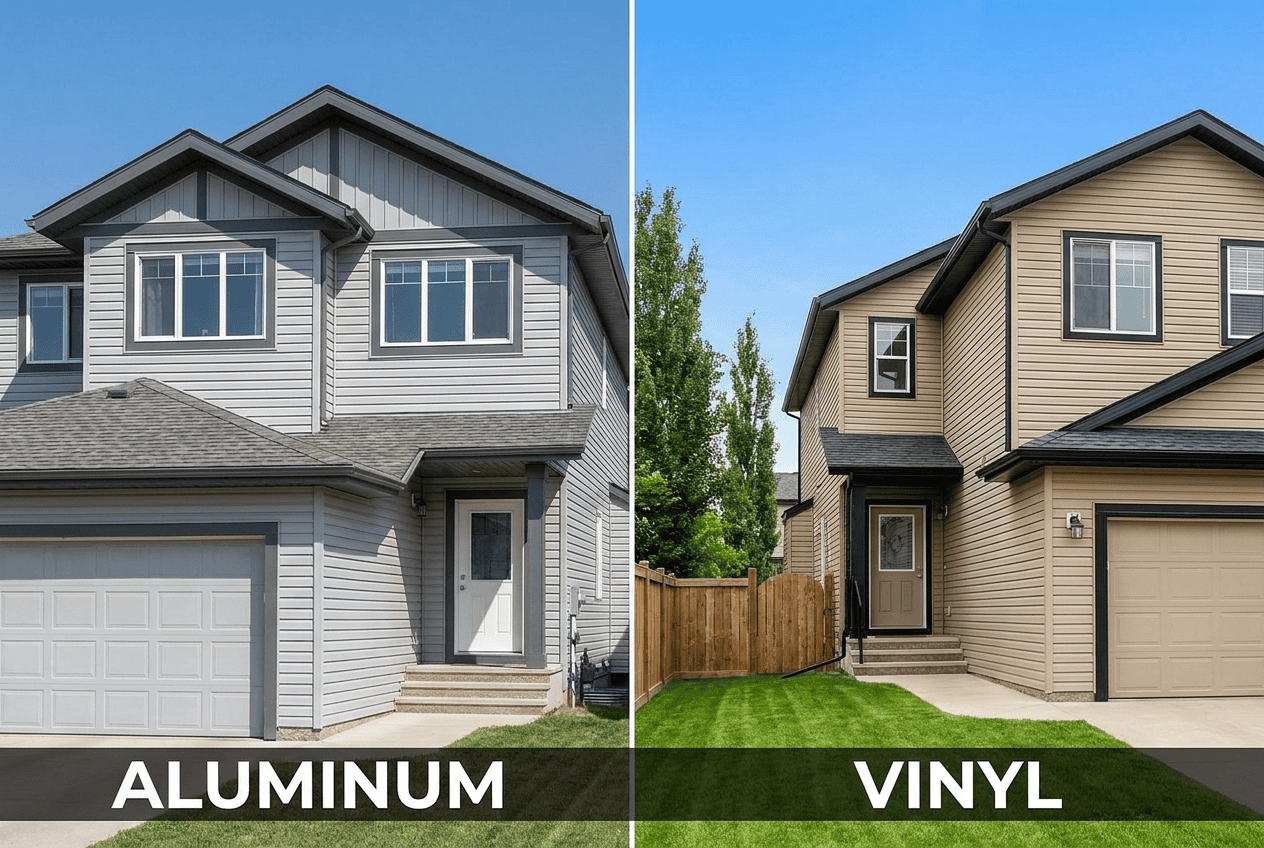
Aluminum and vinyl siding overlap in several ways. Both are available in residential profiles, both require relatively low upkeep, and both avoid the rot and pest problems associated with natural wood.
The differences become obvious under stress.
Vinyl will not dent the way aluminum does, but it can crack in cold conditions and can distort or melt when exposed to concentrated heat. Aluminum can dent and scratch, but temperature fluctuations do not make it brittle in the same way.
Aluminum’s fire performance is also stronger because the material is non-combustible. Vinyl is a combustible plastic product and reacts differently to heat.
Vinyl siding usually wins when the homeowner’s priority is affordable material cost and broad product availability. The market for vinyl is enormous, which means there are many colors, profiles, brands, and price levels in stock.
Aluminum becomes more compelling when corrosion resistance, non-combustibility, or moisture exposure moves higher on the priority list.
Neither choice is universally better. On a house where children routinely play ball next to the walls, aluminum’s tendency to dent may become annoying fast. On a wet property where the owner wants metal cladding without worrying about steel rust, aluminum starts to make much more sense.
Aluminum Cladding in Wet, Coastal, and Extreme Weather Conditions
Moisture is where aluminum really earns its place.
Steel can provide exceptional strength, but if its protective coating is deeply damaged, the exposed material can rust. Wood requires ongoing protection from water. Aluminum does neither.
That makes aluminum cladding particularly attractive for wet climates and properties exposed to salty air. Aluminum naturally resists corrosion, so ocean exposure does not create the same rust problem associated with untreated steel.
There is still an important distinction between corrosion resistant and maintenance free. Salt, dirt, and pollutants can collect on the surface. Fasteners, trims, flashing, and other metals used beside the aluminum also need to be compatible with the system.
Heavy rain creates a different challenge. No siding should be expected to act as the home’s only water barrier. Proper installation must allow water to drain and prevent moisture from being trapped behind the cladding.
Hot conditions matter as well. Aluminum expands and contracts as temperatures change. Panels need room for normal movement. Fastening aluminum too tightly is a classic way to create buckling and waves across an otherwise polished exterior.
A qualified contractor should account for temperature movement during installation rather than trying to force every panel rigidly against the wall.
Aluminum Siding Panels, Colors, and Curb Appeal
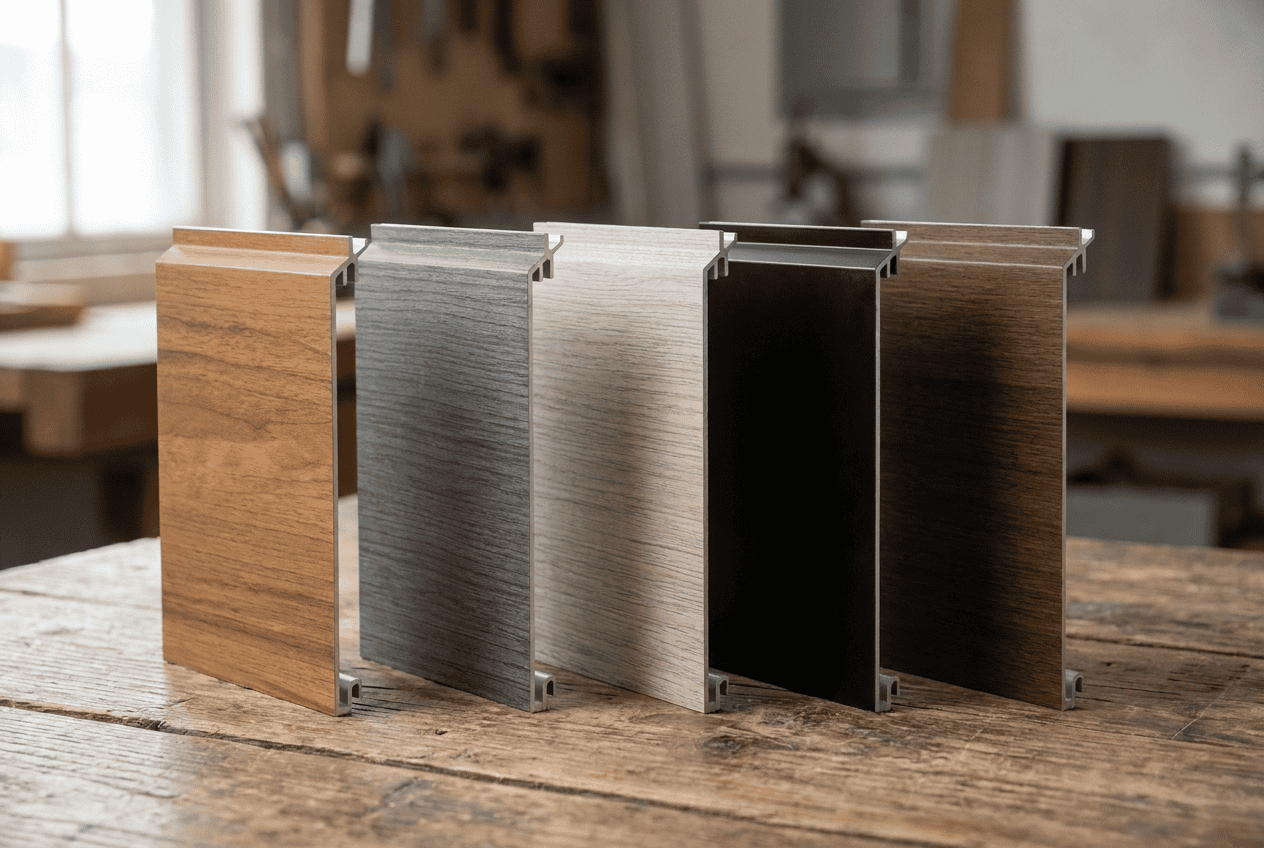
Aluminum does not have to look like a 1970s ranch.
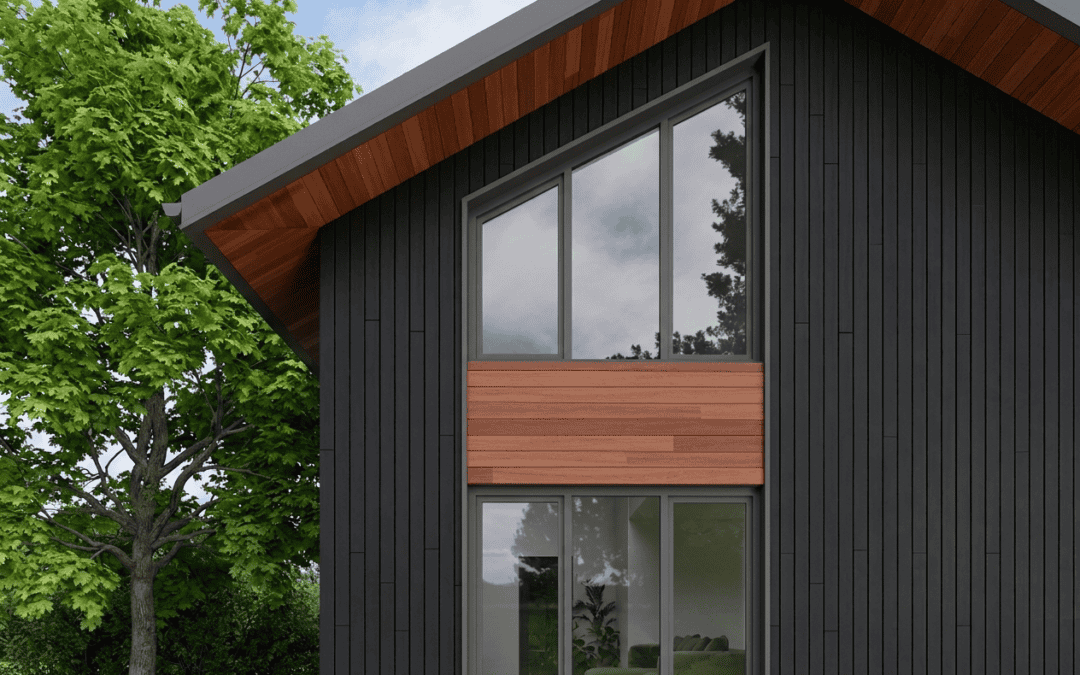
Modern profiles and finishes give homeowners far more design freedom than older stock siding suggests. Aluminum can be painted in light neutrals, deep modern colors, and traditional exterior shades. It is also available with smooth or textured surfaces designed to create more visual depth.
Horizontal lap remains a familiar choice, but aluminum cladding can also appear in vertical panels and other architectural forms. Profiles with deeper shadow lines or a defined groove can give the exterior more dimension.
Color needs to be chosen with the whole home in mind. Roof material, windows, doors, masonry, soffit, gutters, and trims all affect how the final siding color reads. A dark sample that looks polished in your hand may dominate the house when installed across several thousand square feet.
Darker colors also make dents and surface imperfections easier to notice in certain light. That does not mean homeowners should avoid dark aluminum, but it is a practical reason to look at full-size installed examples before making a final selection.
Good aluminum can create excellent curb appeal. Badly proportioned panels, mismatched trims, visible dents, or a faded finish can make the same material look cheap.
Material quality helps, but design and installation decide the final appearance.
Is Aluminum Siding Easy to Install?
Aluminum’s low weight gives it an installation advantage, but calling it an easy installation can be misleading.
Panels need to be cut cleanly, aligned properly, and fastened loosely enough to allow movement. The crew also needs to handle corners, soffit, trims, openings, penetrations, and transitions without creating places for moisture to enter.
Thin aluminum can show mistakes. A panel installed under stress may buckle. An uneven wall can telegraph through the finished surface. Rough handling can create dents before the material ever reaches the house.
The installation also needs to account for expansion caused by heat and contraction during colder conditions. This is not unusual for siding systems, but aluminum makes sloppy fastening visible.
Choosing an experienced siding contractor matters more than chasing the lowest labor price per square foot. A slightly cheaper installation is not a bargain if the finished wall develops waves, loose panels, or poor transitions around windows.
Aluminum Siding Compared With Other Siding Materials
Wood provides natural appearance and depth that manufactured products try to imitate, but it comes with high maintenance demands. Rot, pests, moisture, repainting, and ongoing upkeep are part of owning real wood siding.
Vinyl is affordable and low maintenance, with an enormous selection of colors and styles. It does not dent like aluminum, but heat and impact can cause their own forms of damage.
Steel is heavier and more resistant to dents, making it a stronger choice when impact resistance is a priority. It does, however, depend more heavily on protective coatings to prevent rust.
Composite products approach the problem differently. Depending on the product, they may combine fibers, polymers, binders, or other materials to create durable cladding without behaving exactly like metal or wood. Homeowners who like low maintenance but are unsure about dents should also compare composite siding before settling on aluminum.
The wrong way to compare these materials is to ask which one is “best.” The better question is what failure you are trying hardest to avoid.
If it is rot and pests, aluminum performs extremely well. If it is corrosion around moisture, aluminum has a clear advantage over exposed steel. If it is denting from frequent impact, aluminum loses ground.
That practical comparison is more useful than a checklist where every siding material somehow receives the same number of benefits and disadvantages.
Is Aluminum Siding Right for Your Home?
Aluminum siding makes the most sense when moisture resistance, fire performance, low upkeep, and long service life are high priorities.
It is particularly worth considering for homeowners who want metal cladding but do not want to worry about conventional rust. It can also be a strong choice where wood’s maintenance demands are unrealistic or where fire resistance deserves additional consideration.
It is less appealing on homes that regularly take hail, flying debris, or impact along busy side yards. If visible dents will bother you, pretending that disadvantage does not exist will not make aluminum the right material.
Look closely at panel thickness, finish quality, color, trims, product warranty, installation details, and the contractor’s experience before making a decision. Do not choose a brand simply because it is in stock or because its initial price looks affordable.
Aluminum succeeds when its actual strengths match the house. When they do, it remains a durable, low-maintenance siding material with much more design potential than its dated reputation suggests.