
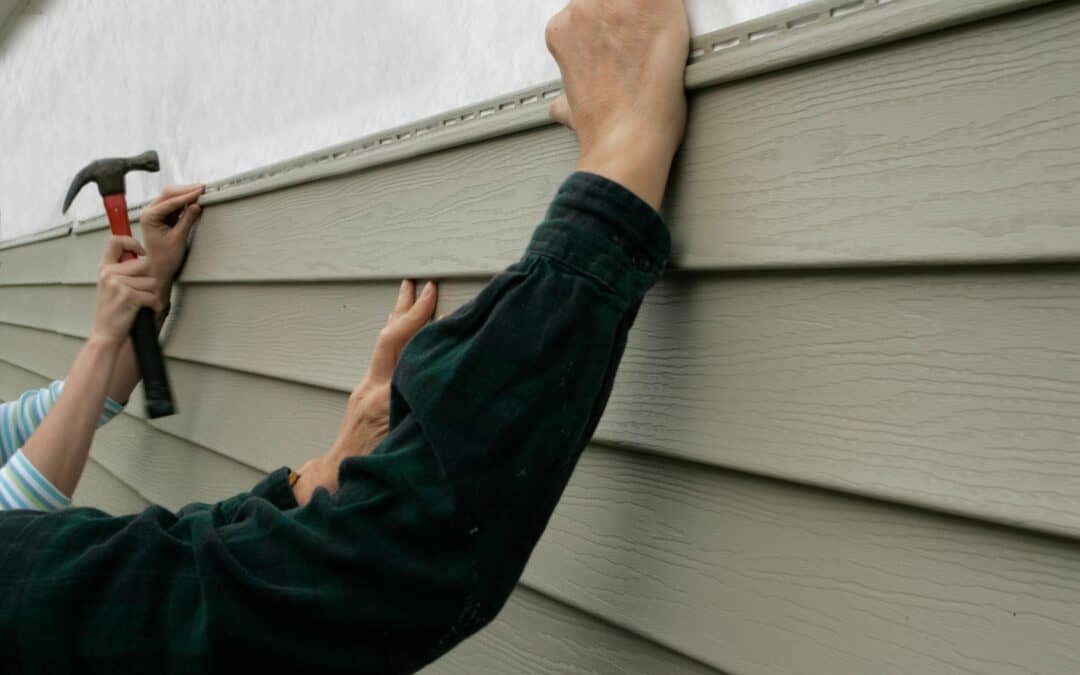
A good siding contractor does more than fasten panels to a wall. The job starts with finding what is wrong, what can stay, and whether moisture or substrate damage is hiding underneath.
Homeowners usually face three decisions: repair or replace, choose the right material, and hire the right contractor. Great-looking siding installed over a bad wall assembly is still a bad job.
Flashing, trim details, fastening, clearances, and moisture management protect the home’s exterior long after the crew leaves.
A contractor should explain the scope clearly and tell you what could change once old siding comes off.
What Does a Siding Contractor Do?
A siding contractor assesses the exterior, recommends repair or replacement, helps homeowners compare materials, and manages installation. That includes checking wall conditions, planning trim and transition details, protecting openings, and making sure the siding system sheds water correctly.
Siding is not just decoration. It has to protect the house from the elements while allowing the exterior assembly to function as intended.
Siding Installation, Repair, and Siding Replacement Services
Good contractors separate cosmetic damage from system failure before recommending a scope.
Siding Installation
Siding installation starts with a prepared wall. That may include a weather-resistant layer, flashing corrections, panel layout, fastening, and trim. U.S. Department of Energy building-science guidance explains how a continuous drainage plane behind exterior cladding helps direct moisture safely away from the wall assembly. Installers also have to follow the requirements of the specific material.
Siding Repair
Repair makes sense when damage is localized. A cracked panel, storm-damaged section, or small trim failure can often be corrected if the surrounding siding remains sound.
Siding Replacement
Siding replacement usually means removing old siding, inspecting the wall, correcting known problems, and installing new siding. If moisture damage or deteriorated sheathing appears after tear-off, the change should be documented before extra work begins.
When Should Old Siding Be Repaired or Replaced?
A few damaged pieces do not justify tearing off an otherwise sound exterior. Full replacement for one isolated problem is usually the wrong call.
When a Siding Repair May Be Enough
Repair is reasonable when damage is limited, matching material is available, and there are no broader moisture problems. Small impact damage, loose panels, or localized trim issues often fit here.
Signs Siding Replacement Makes More Sense
Widespread warping, repeated moisture intrusion, rot, pests, cracks across multiple walls, or peeling that keeps returning point to a larger failure. Openings in old siding can also contribute to drafts and higher energy costs. Condition should determine replacement, not age alone.
Siding Materials and Styles Homeowners Should Compare
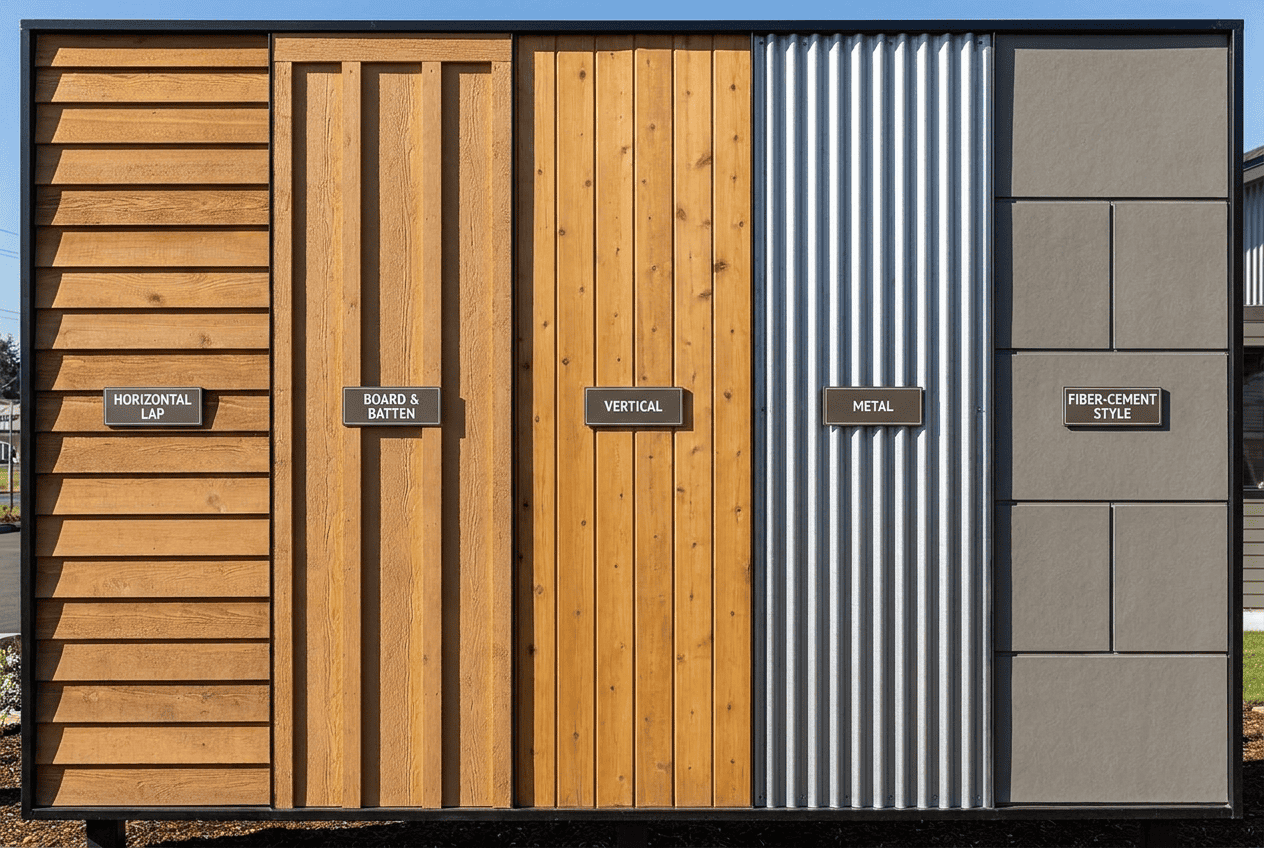
The right siding choice comes down to budget, climate, maintenance tolerance, appearance, and longevity. There is no universal winner, but there are bad matches. A high-maintenance material is usually wrong for a homeowner who never wants to paint again.
The sample also needs to be judged on the house, not just on a display board. Sunlight, roof color, masonry, trim width, and the size of each wall can change how a material reads once it is installed.
Board and Batten Siding
Board and batten siding uses broad vertical boards with narrower battens over the seams. Different board and batten siding materials can create the same strong vertical lines while offering different maintenance and durability requirements. It can cover an entire exterior, but it often works best as an accent on gables, entries, or upper stories.
Metal Siding for Homes
Metal siding is durable, resists many common moisture and pest problems, and can suit traditional or modern homes depending on the profile. Comparing metal siding options matters because panel profile, finish, and metal type can all affect appearance, maintenance, and long-term performance. It can be an excellent choice where longevity and resistance matter more than matching a conventional vinyl look.
Aluminum Siding
Aluminum is lighter than many other metal materials and does not rust, but it can dent and may show impact damage more readily. The advantages and drawbacks of aluminum siding are especially important on older homes because existing panels can be difficult to match during repair. Homeowners should weigh durability against appearance and future repairability.
Vinyl Siding Colors
Vinyl is a popular choice because it is relatively low maintenance and comes in many styles and new colors. When comparing vinyl siding colors, start with permanent elements such as the roof, masonry, windows, and trim rather than choosing from a tiny sample viewed indoors. Warm and cool undertones can look very different across a full exterior.
Vertical Siding
Vertical siding changes a home’s proportions and can make walls feel taller. Different vertical siding styles can work on gables, additions, accent areas, or an entire exterior depending on the architecture of the house. Vertical does not automatically mean board and batten; several panel profiles create the same upward movement.
Composite Siding
Composite siding is an engineered category designed to balance appearance, durability, and maintenance. Products sold as composite siding can differ substantially in construction, moisture resistance, warranty coverage, finish, and installation requirements, so treating them as interchangeable is a mistake.
Wood siding still has a place when a homeowner wants real grain and accepts repainting or staining. It can look better than an imitation, but it demands more maintenance. If that upkeep does not fit the budget or schedule, fiber cement siding or vinyl is usually the safer long-term siding choice.
Fiber Cement Board Siding
Fiber cement siding offers a wood-like appearance with strong durability and resistance to rot, pests, and fire exposure. Homeowners comparing fiber cement siding should look at product specifications, clearances, fastening requirements, finish, and warranty—not just the brand name. James Hardie is a recognized name in the category, but brand familiarity does not replace proper installation. Check the specific product’s fire rating rather than assuming every product in the category performs identically. Fiber cement is less forgiving of poor fastening or clearance details than vinyl, so installer experience matters.
Material quality matters, but fit matters more. A durable product installed in the wrong profile, finish, or application can still be a poor siding choice for the house.
What to Expect During a Siding Project
A siding project can change once the old material comes off. Hidden moisture, damaged sheathing, or rot may turn a simple replacement into a larger repair.
A professional crew should protect the property, prepare the exterior, make needed substrate repairs, install the system, complete trim details, and clean the site.
Transitions around windows, doors, rooflines, trim, and gutters deserve close attention because they are common places for water to get behind the exterior.
What Should a Siding Estimate Include?
A free estimate is useful only if the proposal is specific. Homeowners should see the material, labor, removal, preparation, trim, known repairs, coverage, schedule, and payment terms in writing.
At minimum, compare:
- Exact siding product, labor, tear-off, disposal, preparation, and trim.
- Known repairs, exclusions, warranty coverage, payment schedule, and change-order pricing.
Do not choose on cost alone. A cheaper proposal that leaves out key work is not the same job.
How to Choose a Local Siding Contractor

Verify that the local siding contractor is licensed where required and insured. Maryland homeowners can also use the Maryland Home Improvement Commission’s contractor guidance to verify licensing and review practical steps such as checking insurance, references, and written contract details. Then ask what materials the team installs regularly. Years of vinyl experience do not automatically make someone the right fiber cement installer.
Look at project examples, references, reviews, and how clearly the contractor explains the work. Manufacturer training can help, but it does not replace good field supervision.
If questions about the crew, schedule, warranty coverage, or hidden damage get vague answers before the deposit, expect the same communication during the job.
Plan Your Siding Project With DZ Renovation
New siding should solve a problem, not just change the color of the house. Material choice, the condition underneath, and installation quality have to work together.
DZ Renovation helps homeowners assess siding needs and compare options. Visit the DZ Renovation siding service page to learn more and request a free estimate.